
Written by: Zayden Montoya
Ancient Celtic Traditions
To deter these wandering spirits, the Celts lit bonfires and wore costumes made from animal hides and bones. They also left food and drink outside to please spirits and fairies—a practice considered an early form of trick-or-treating. The tradition of carving jack-o’-lanterns began in Ireland, but instead of pumpkins, people carved turnips to scare away evil spirits.
The Christian Influence
As Christianity spread across Europe, it adopted and adapted some pagan traditions. In the 8th century, Pope Gregory III declared November 1st as All Saints’ Day, or All Hallows’ Day, to honor saints. The night before became known as All Hallows’ Eve, which eventually shortened to Halloween.
Halloween Comes to America
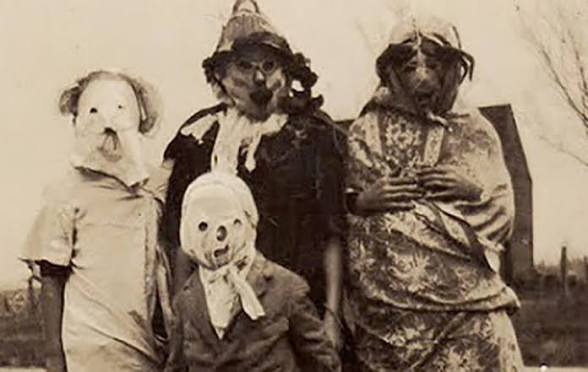
In the 19th century, Irish and Scottish immigrants brought their Halloween customs to North America. There, these old-world traditions mixed with other immigrant customs and Native American harvest festivals. By the early 20th century, Halloween had become more community-focused, with parties and games replacing some of the darker themes.
From Mischief to Family Fun
In the early days, Halloween was sometimes linked to vandalism and pranks. Communities responded by promoting organized, child-friendly activities like costume parades and trick-or-treating. By the mid-20th century, the rise of mass-produced costumes and candy helped shape Halloween into the fun, commercial holiday we know today.
A Celebration That Connects the Past and Present
When children dress as superheroes and princesses and go door-to-door for candy, they continue an ancient tradition of offering food to spirits. And when we carve grinning pumpkins, we echo the Celts who once carved turnips to keep evil away.
Halloween’s journey—from a solemn pagan ritual to a worldwide, multi-billion-dollar celebration—shows how human fears and fascinations have evolved. Though its meaning has changed, the heart of Halloween remains the same: a night to face the unknown, celebrate community, and have fun on a crisp autumn evening. 🎃
So, as we see children dressed as superheroes and princesses knocking on doors for candy, we are also witnessing an ancient tradition of offering food to appease spirits. When we carve ghoulish faces into pumpkins, we echo the Celts, who once carved turnips to ward off evil. Halloween’s journey from a solemn pagan rite to a worldwide, multi-billion-dollar celebration is a story of how our fears and fascinations evolve. Though the context has changed, the underlying desire to playfully confront the unknown and unite as a community on a crisp autumn night remains at the heart of this beloved holiday.
 The SAMS Salmon